TAILWATER SAFETY
WHY ARE TAILWATERS DANGEROUS?
TAILWATER BOATING SAFETY
Listed below are some of the key hazards responsible for most boating accidents on our tailwater fisheries.
-
DRAG CHAINS –
The use of drag chains in our waters is considered
BAD PRACTICE. There is no such thing as a safe drag chain.
Chains commonly become snagged on rocks or submerged obstacles, causing passengers
to be ejected from the vessel or causing the vessel to capsize before the operator can react.
Chains are also very destructive to our fishery.
-
ANCHORING IN FAST WATER –
Be VERY CAUTIOUS when anchoring. In low flows, anchoring is
relatively safe. However, throwing an anchor into swift, heavy water can quickly sink a boat.
Stuck anchors can pull the edge of a boat under and immediately cause the boat to fill with water.
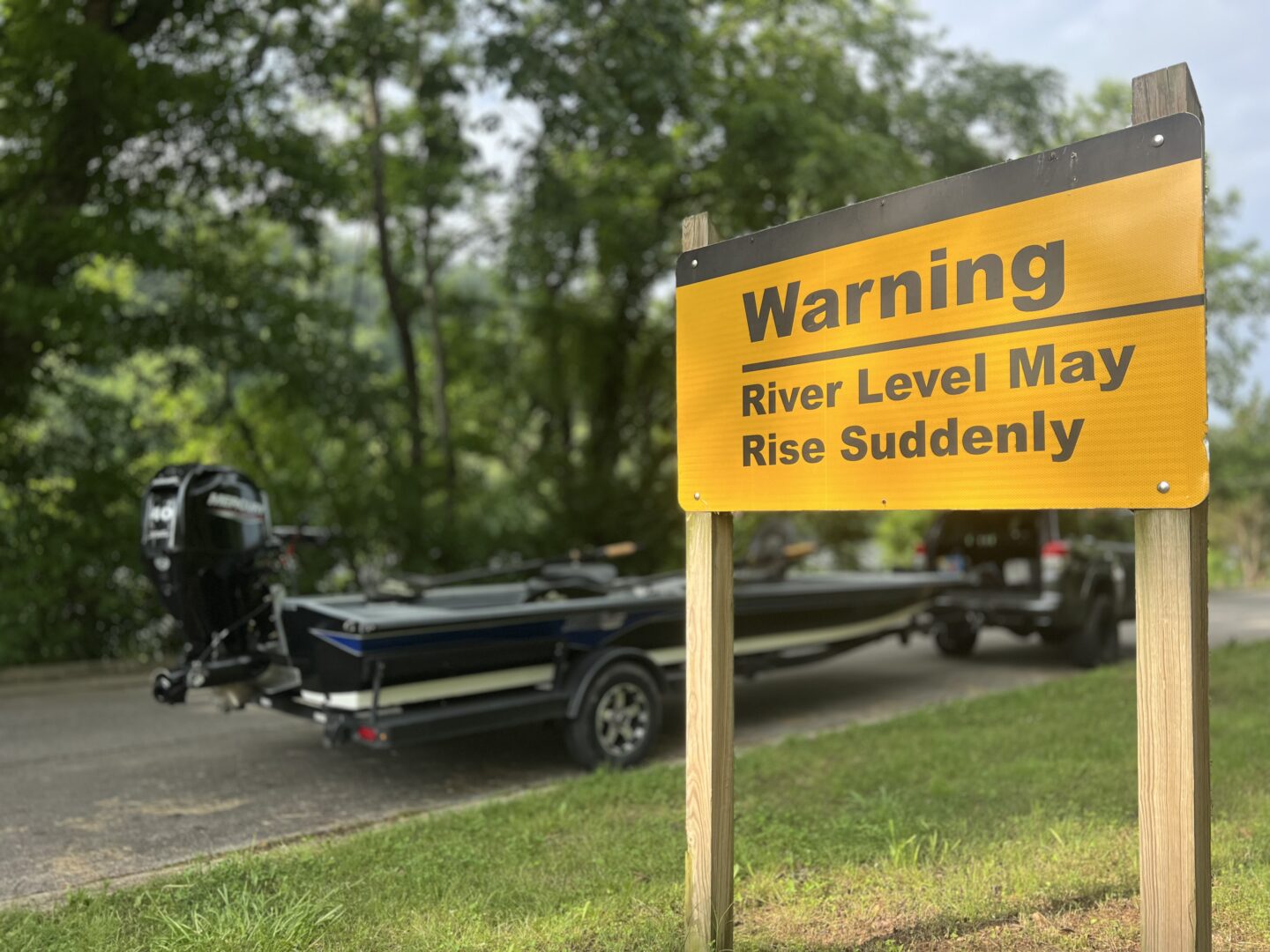
Water levels can change rapidly—be prepared to retrieve, or in some cases, cut your anchor quickly
if the water begins to rise.
-
STRAINERS OR OBSTRUCTIONS –
Docks, overhanging tree limbs, fallen trees, or any other obstructions that water flows into or
through are considered strainers.
These obstructions are deadly.
Always keep a safe distance from these areas. Never go out on the river without a reliable motor
with sufficient horsepower, and always carry a secondary means of navigation in case your motor
breaks down. Strainers are one of the leading causes of fatal accidents on our waters.
-
HEAVY FOG –
Fog can significantly reduce visibility, making it dangerous to navigate the river. GO SLOW and keep a close eye out for wade fishermen and other boats, or consider waiting until the fog lifts before continuing your travel. If you are in a kayak or canoe, consider using navigation lights or other visibility aids to ensure oncoming boats can see you.
-
RENTAL BOATS –
Renting boats on the river is a great way to enjoy time with your family; however, it’s important to prioritize safety. You should only go out if you’re comfortable with the current river levels and have some experience operating a boat. Don’t hesitate to ask the rental service questions, and take the time to understand current conditions before heading out with your family. We strongly advise using extreme caution when renting boats during higher flows.
TAILWATER WADING SAFETY
Here are some key wading tips to insure a safe and productive day on the river.
-
EXIT PLAN –
When wade fishing tailwaters, having an exit strategy is the most important plan of your day. Always avoid being on the wrong side of the river from your access point—it’s especially compounded if you’re fishing downstream. If the horn sounds, there is a subtle increase in current, or a sudden change in temperature, return to the exit immediately. Stay close and continue fishing only if conditions remain stable and safe.
-
CHECK THE WATER –
Generation schedules are important to know, but they are always loose guidelines. Many factors can cause deviations from the posted times and flows. Real-time releases, paired with an understanding of how long it takes water to reach a specific area, are often more reliable tools for making safe decisions when wade fishing downstream. Never rely solely on the schedule.
-
EXCESSIVE DEPTH –
Wading too deep is dangerous. There are two key problems: being in waist- to chest-deep water means that, once the water rises, crossing back may involve chest- to head-deep water. The other takeaway: being this deep often means standing directly on top of the fish. The deeper the wading, the more severe the currents become. Even a small depth in fast-moving water can be extremely dangerous. Feet can become trapped in rocks, causing twisted ankles, broken legs, or much worse.
-
PROPER GEAR –
When wading, move slowly and choose your path carefully. Solid wading footwear with studs will help prevent falls. If wearing waders, use a wading belt to prevent them from filling with water in the event of a fall. A wading staff can also provide increased stability, especially in fast water or uneven terrain.
STRONG CURRENTS & SMART ANGLERS